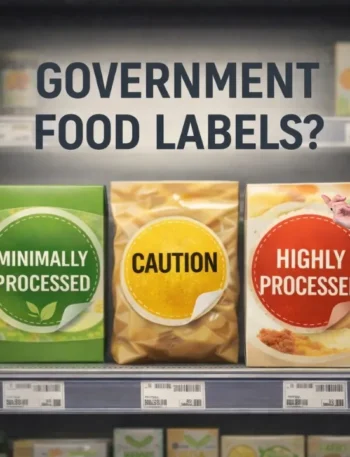
We were thinking about how hard it is to keep up when the internet starts shouting about one ingredient like it just snuck into your kitchen wearing a trench coat. This week, the fuss is all about seed oils, and maybe you’ve stood in your pantry holding a bottle of something, wondering if supper just got complicated again.
So let’s breathe together. We don’t need panic to make progress. We do need simple wisdom, practical swaps, and a little grace for the road between what’s ideal and what’s actually happening at 5:37 p.m. with children (or husbands) asking what’s for dinner.
But first… Some quick updates:
- Our new book 7 Skills to Lasting Healthy is available for preorder »
- Our Dynamic Duo Greens Powder is on sale right now (Now $12 from $19) »
- We have a big surprise next week related to The Gathering Conference… but we’ll save that for next week’s newsletter…
—WELLNESS TRENDS—
Seed Oils: Which Ones Deserve the Side-Eye and Which Deserve Perspective?
There is a lot of online noise right now treating all seed oils like they belong in the garage instead of the kitchen. Our take is a little more grounded. Some oils really are heavily processed, over-refined, yes, they can cause inflammation and ill-health, and are worth avoiding as much as possible. The big offenders we’d start with are canola, corn, soybean, cottonseed, and mystery “vegetable oil” blends. Those are usually the easiest ones to spot and the first ones we’d kick out.
But we also don’t want you living in food fear. We are not helped by drama. Living in a state of worry can be more harmful to your health than consuming a little bit of seed oil. A trace amount here and there is not the same thing as building your entire family menu around ultra-processed fried foods and packaged snacks. We believe God designed our bodies to heal, and that daily patterns matter more than one imperfect meal.
Practical takeaway: Start with the oils you use every day and the foods that contain the heaviest concentration. That is where your effort gives you the biggest return.
Better Fats for the THM Kitchen:
When it comes to cooking, we still love the basics. Butter and coconut oil are steady staples. Avocado oil can work for some cooking. Olive oil is lovely, especially fresh and unheated or used gently. The bigger theme is simplicity. The more natural and less messed-with, the better.
This does not mean you need a chemistry degree every time you sauté onions. It means keep good fats in your kitchen on purpose, and let them become your normal.
Practical takeaway: When you finish a bottle of canola or vegetable oil, don’t replace it. Replace it with butter, coconut oil, avocado oil, or a quality olive oil for the right uses.
Progress Over Panic When You Eat Out
Remember, you cannot fix everything in one week. If a family is moving from fries, breading, sugar, and fast food habits toward grilled protein (even if it has tiny amounts of seed oils) and better sides, that is real progress. We don’t need perfection to celebrate improvement.
When eating out, go for the better choice in front of you. Choose grilled meats, non-starchy veggies, salads, sweet potatoes, and simpler meals when possible. Avoid stacking all the “two bads” together, like deep-fried food plus sugar plus seed oils plus refined starches all in one sitting.
Practical takeaway: Don’t let seed oil talk stop you from making a better choice than yesterday. Better is still better.
The “Safe Food” Strategy for Picky Eaters
Here’s a helpful little gem for family life. Instead of turning into a short-order cook, serve the family meal and include one “safe food” you know your child will eat. Maybe it is berries. Maybe sourdough. Maybe a well-loved protein or a familiar veggie or fruit.
This lowers the stress at the table. Children often try new things more easily when the meal doesn’t feel like a showdown. Pressure can shut appetite down fast. Peace helps curiosity come back.
Practical takeaway: Keep one familiar food on the plate and stop making five separate meals. We want calm exposure, not dinner battles.
—IN OUR PANTRY—
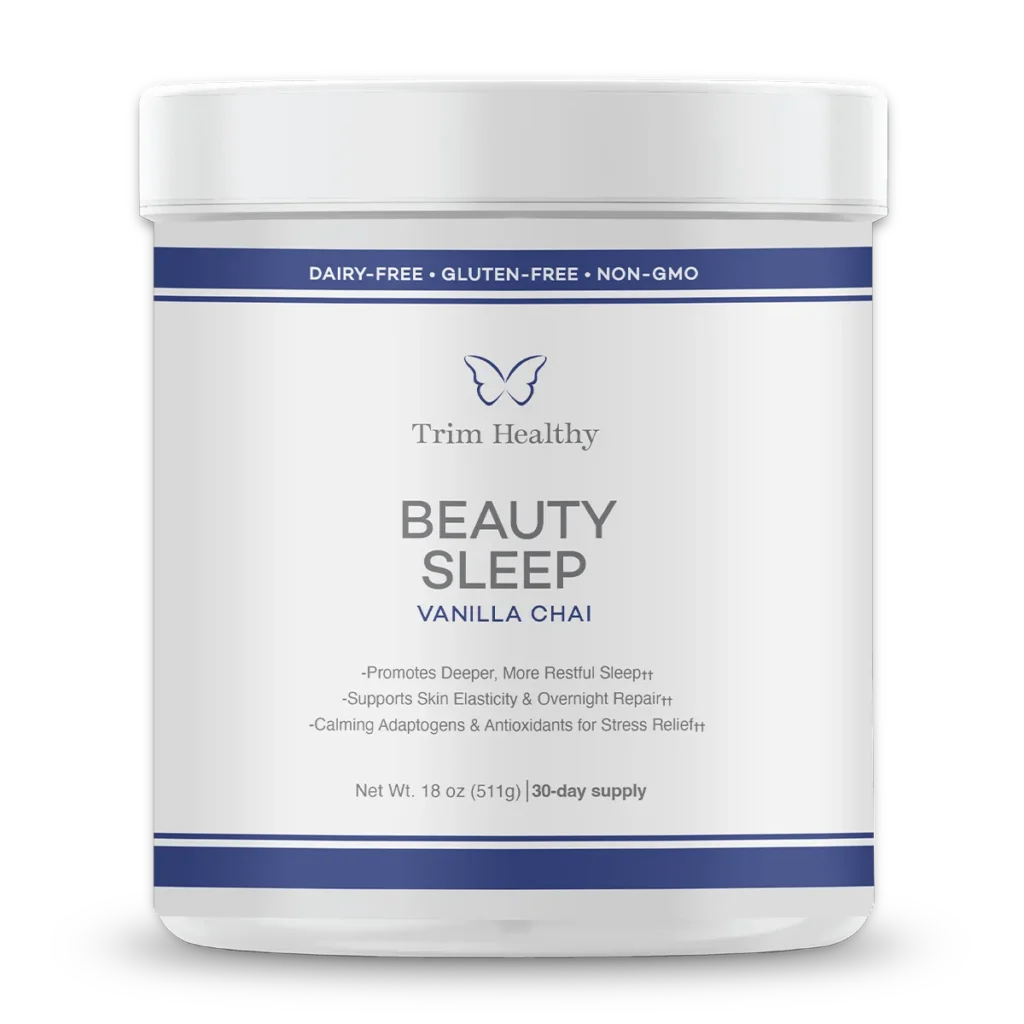
The Sleep Product We’ve Been Working On for Years Is Finally Here
If your brain is still chatting at midnight, if hormones have turned bedtime into a guessing game, or if you are dragging yourself into the next day feeling worn thin, this one may bless your evenings.
Beauty Sleep was created for women (and men) who need real support winding down and restoring overnight.
Why Mama’s Are Loving It:
- Supports a calmer bedtime routine
- Includes collagen and glycine for overnight nourishment
- Helps support skin and hair while you sleep
- Vanilla char flavor makes it feel like a cozy evening ritual
- Sweetened with monk fruit
Make your nighttime cup count. Grab Beauty Sleep and turn bedtime into something your body starts looking forward to.
—RECIPE HIGHLIGHTS—
Here are a few THM recipes that fit beautifully with this week’s seed-oil conversation and help you lean into better fats at home:
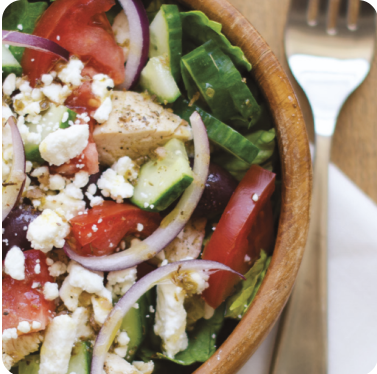
Grand Greek Salad
Fresh, hearty, and full of flavor, this salad uses extra-virgin olive oil in the chicken marinade, making it a satisfying meal that feels far from diet food.
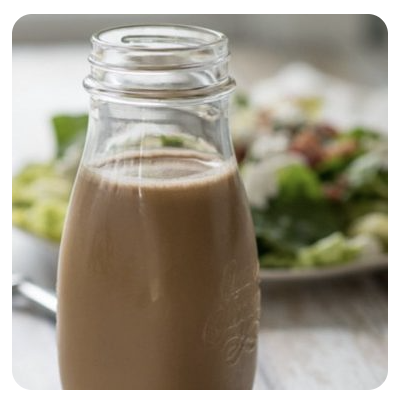
Creamy Balsamic Dressing
A homemade dressing is one of the easiest ways to dodge the seed oils hiding in bottled options. This one gives you that rich, creamy satisfaction without reaching for store shelf mystery ingredients.

Cabb and Saus Skillet (S)
This is the kind of back-pocket skillet meal busy families need. It uses butter and coconut oil spray, comes together simply, and helps you build dinner around good basics instead of processed shortcuts.
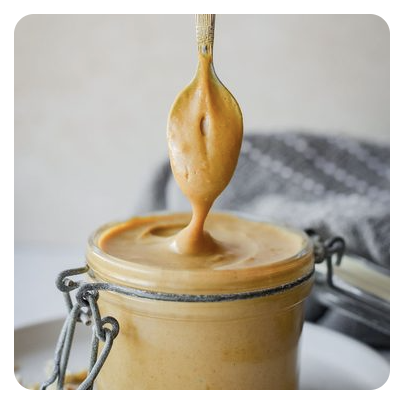
Optimized Peanut Spread
This creamy peanut spread brings all the comfort of the classic version but with a THM-friendly twist. Blended with Optimized Whey Protein, it turns a simple spread into a more satisfying option you can enjoy on sprouted toast, in smoothies, or straight from the spoon when you need something quick and nourishing.
—THE BIG QUESTION—
How Do We Actually Quit Seed Oils Without Going Crazy or Going Bonkers?
This is the real question, isn’t it? Because a lot of mamas can agree that some oils are best avoided, but then comes real life. The budget. The pantry. The teenagers. The road trips. The cereal boxes. The mayo jar is staring at you from the fridge door.
So here’s the good news: you do not have to do a dramatic pantry bonfire by Saturday morning. Start with the obvious. Remove the main bottles you cook with. Then work through the highest-impact foods in your fridge and pantry. The goal is not obsession. The goal is direction.
Pearl’s Take:
We’d begin with the glaring things. If there’s a clear plastic bottle in your pantry labeled “vegetable oil” or “canola oil,” let that be your first goodbye. Then swap in butter, coconut oil, and the simpler fats that have served families well for a long time.
After that, look at the “sneaky” places where oils hide in larger amounts. Mayo is a big one. Swap typical soybean oil-based mayo with one that is avocado oil-based. Some nut milks, and especially oat milks, can be another. Choose nut milk options without seed oils… they’re around. We don’t have to become detectives over every crumb, but we can absolutely clean up the places where these oils are pouring into our days.
Rashida’s Take:
I love starting with the basics and then moving to the fridge and snack world next. Chips, kid snacks, packaged crunchy things, convenience foods, and condiments can add up fast. That doesn’t mean your family can never eat something fun again. It means look for better versions over time and keep the changes doable. Thankfully, there are better options of snack foods these days. Look for coconut or avocado oils over typical seed oils.
For eating out, keep the pressure low and the choices wiser. Go for grilled over fried. Simple over breaded. One better choice at a time. If you try to fix every issue at once, you may end up quitting. We’d rather see you keep going.
Three budget-friendly swaps to make this week:
- Replace canola or vegetable oil with butter or coconut oil
- Swap regular mayo for avocado oil may
- Replace one packaged seed-oil snack with a simpler homemade or better-ingredient option
—Q&A—
Are seed oils always terrible?
No. Some seed oils processed without heat are fantastic. Think black cumin seed oil – it is highly anti-inflammatory in supplement form. Some seed oils are far more concerning than others, especially the highly processed industrial ones which are usually made with high heats. Avoid the obvious bad actors, but you don’t need to live in fear over every trace amount.
Which oils do we feel best about?
Butter, coconut oil, avocado oil, and olive oil are the main ones we’d keep close. We especially love the more natural, less processed fats and use olive oil more gently or fresh. Certain seed oils such as sunflower seed oil or even grape seed oil may be fine options when cold pressed and used over salads without being heated (grape seed oil can be heated but it still not as stable as coconut oil or butter)
What should we tackle first in a pantry purge?
Start with the bottles you cook with every day. Then move to mayo, snack foods, packaged convenience foods, and milks or creamers that sneak seed oils into your routine.
What about eating out?
Choose the best option you can without spiraling. Grilled meats, salads, simple sides, and less breaded food are all steps in a good direction. There is a place for creamy dressings like Ranch or Caesar at restaurants, but if you’re eating out often, try choosing olive oil and vinegar for optimal health.
—CLOSING—
We hope this encourages you to take one peaceful step instead of ten panicked ones. You do not have to scrub your whole life clean in a day to become trim and healthy. Small, steady choices really do add up, and they bless the whole family over time.
Maybe this week your step is replacing one oil, finding one better snack, or serving one family meal with one safe food on the side and calling that a win. We’re cheering you on, and we’d love to know what your first pantry swap will be.
With love,